service@chemindustry.com

|
 |
|
|
|
 |
News Details |
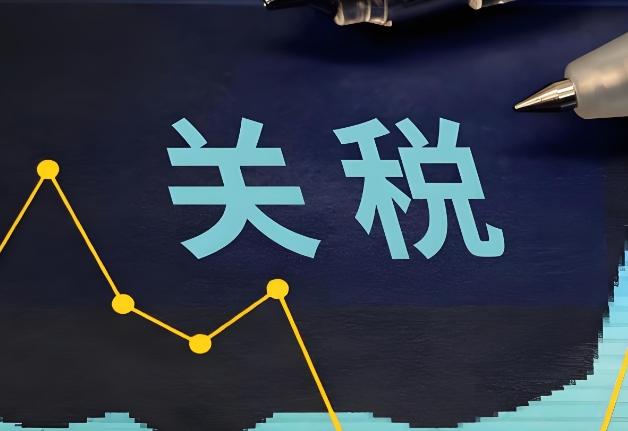
On July 24, 2026, India's PVC import control policy was officially implemented, coupled with Formosa Plastics Group raising its August export prices. These two positive factors developed simultaneously, solidifying the foundation for an upward trend in the Asian PVC market and increasing expectations for a stronger market.
I. India Introduces New Regulations on PVC Import Price Controls
According to reports, Indian Customs officially issued a PVC import restriction notice. The new policy takes effect on July 24 for a period of six months, establishing tiered import management rules for PVC resin under tariff code 39041020.
The policy sets 766 USD/ton (CIF India) as the price threshold standard: PVC with a cost, insurance, and freight (CIF) price exceeding this threshold is exempt from import duties; low-priced supplies at or below 766 USD/ton will face direct import restrictions. This policy aims to block the impact of low-priced supplies on the domestic industry, directly tightening the circulation supply of low-priced PVC in Asia.
II. Formosa Plastics Raises August PVC Export Prices, Synchronous Increase Across All Regions
Driven by the continuous rise in upstream ethylene costs, Formosa Plastics Group announced its August PVC shipment export prices, with prices for all global regions increasing by 45-50 USD/ton month-on-month. Detailed prices for each region are as follows:
CIF China Main Ports price at 810 USD/ton, an increase of 50 USD/ton month-on-month
CIF India price at 860 USD/ton, an increase of 45 USD/ton month-on-month
CIF Southeast Asia price at 840 USD/ton, an increase of 50 USD/ton month-on-month
FOB Taiwan price at 780 USD/ton, unchanged
Formosa Plastics' PVC price for India at 860 USD/ton far exceeds the 766 USD/ton duty-free threshold, allowing it to fully enjoy India's zero-tariff import preference. This offers a significant export advantage compared to low-priced supplies, with smoother circulation channels. Rising raw material costs have pushed up PVC procurement costs across Asia, and the market price floor has moved up accordingly.
III. Dual Drive from Supply, Demand, and Policy, PVC Market Expected to Maintain Strong Performance
From the supply side, India's new policy restricts the entry of low-priced PVC, significantly shrinking the supply of low-priced circulating goods. On the demand side, mainstream manufacturers like Formosa Plastics have collectively raised export prices. Combined with the policy orientation of duty-free imports for high-priced goods, traders and downstream processors are shifting their procurement focus to mid-to-high-end compliant supplies.
The resonance of dual positive factors from policy control and rising raw material prices continues to optimize the supply-demand pattern. Asian PVC spot prices have support for sustained strength, and the overall industry outlook is positive.
From:ChemNet
|
Recommended Suppliers |